Wandering the Block with a Camera
Step outside with gentle curiosity. Today, we explore Neighborhood Photo Walk Stories, noticing how ordinary corners hold luminous memories, conversations, and quiet patterns of light. Bring comfortable shoes, an open heart, and any camera. Share what you discover, subscribe for weekly prompts, and help map wonder onto your own block.
Preparing for an Unhurried Stroll
Before pressing any shutter, slow your pace, breathe, and let the neighborhood set the rhythm. Pack lightly, confirm batteries and storage, silence notifications, and set a simple intention. Respect private spaces, smile often, and greet passerby. Comment your pre-walk ritual, and download our future checklist by subscribing for updates.
Seeing Stories on Familiar Streets
Stories appear where footsteps repeat. Watch how chalk drawings evolve after rain, how mail carriers exchange greetings, how ivy slowly climbs a fence. Listen for laughter near stoops. Collect small sequences, not single frames. Ask readers to recount moments they noticed only after returning to a corner.
People, Presence, and Permission
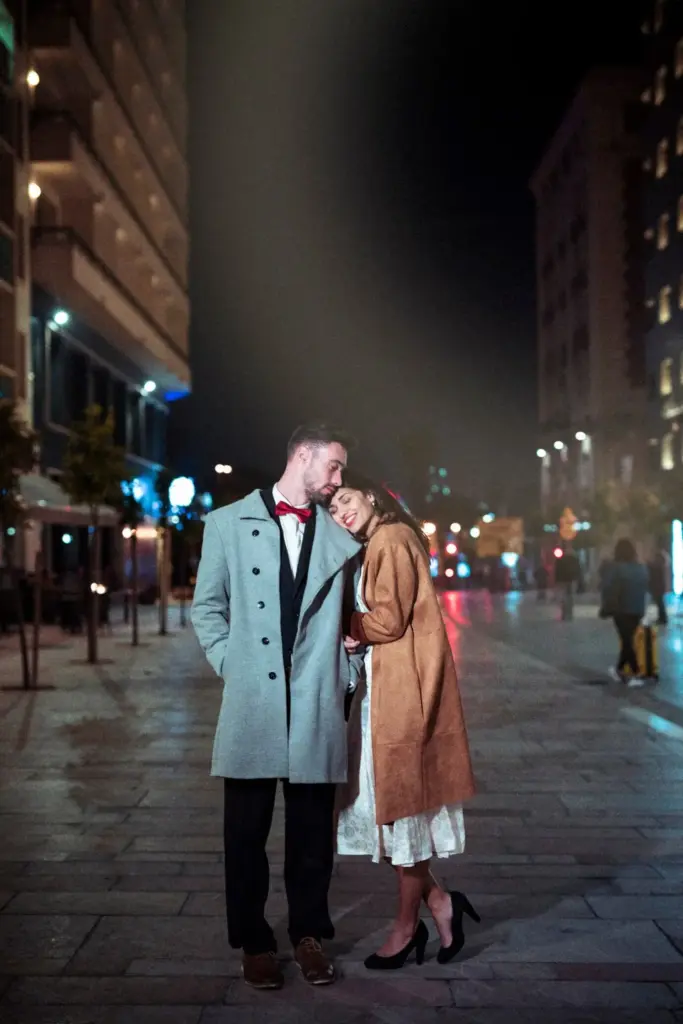
Acknowledge that a lens can feel intrusive. When possible, make eye contact, gesture your intention, or simply ask with genuine warmth. Candid is not careless; safety and dignity matter. Carry small cards with your portfolio link, inviting featured neighbors to see, respond, and request copies later.
Textures, Traces, and Time
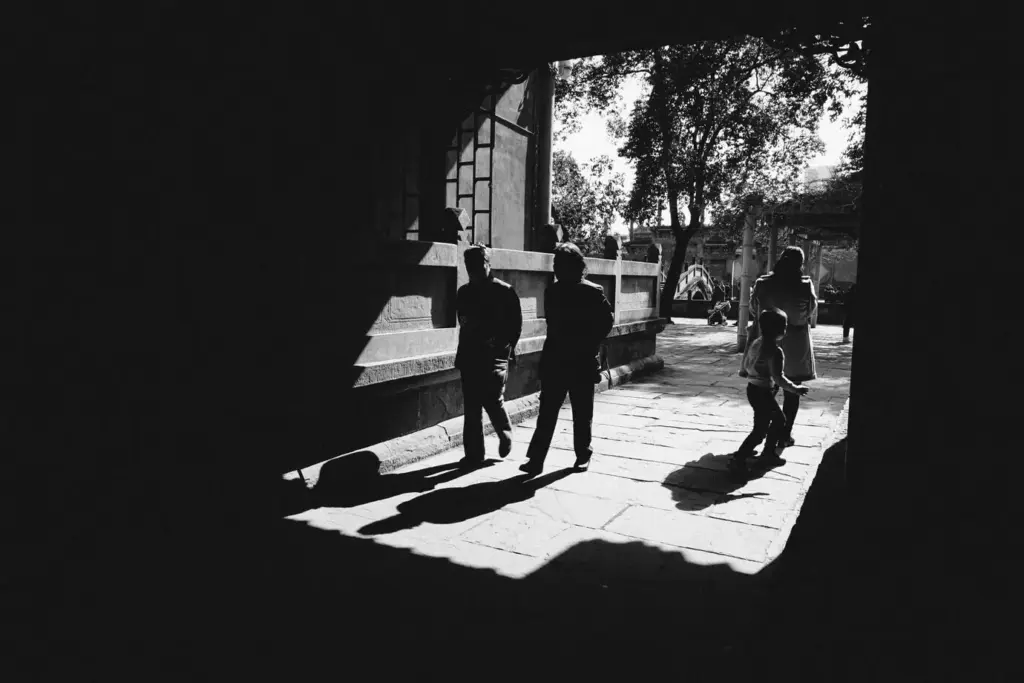
Scratches on a railing, layered posters, and a cracked tile can suggest decades of footsteps. Photograph surfaces as if they were portraits. Compare morning dew with midnight glitter. Accumulate echoes, then sequence them to show how everyday materials narrate patience, repair, celebration, and the hush after parades.
Composing with Purpose
Composition guides attention toward meaning. Use curb edges as leading lines, balcony shadows as frames, and puddles as portals. Shift your height, crouch near wildflowers, or stand on steps to edit background chaos. Comment with before-and-after crops, explaining how small adjustments transformed confusion into clarity and story.
Lines, Frames, and Corners
Find triangles where sidewalks meet storefronts, then align a subject at the point. Doorways can cradle conversations, while parked bikes draw arcs. Notice gutters, curb paint, railings, and awnings forming quiet geometry. Practice framing within frames until intention feels effortless and your viewers glide through the scene.
Layers, Foreground, and Depth
Raise the camera behind flowers, fences, or steam from a food cart to weave depth. Let blur become a whisper that points toward your focus. Stack silhouettes and reflections. Invite readers to post layered attempts, describing how foreground choices shifted mood, pace, and emotional resonance across the frame.
Color Conversations
Pair a red mailbox with a passerby’s scarf, or contrast pale stucco against a sapphire sky. Reduce competing hues by stepping sideways. Notice seasonal palettes: autumn rust, winter ice, spring pollen, summer neon. Share your three favorite pairings and why they carried the feelings you wanted audiences to keep.
Approaching with Kindness
Begin with a greeting, compliment something genuine, and explain your interest in neighborhood storytelling. Keep your posture open and your hands visible. If anyone declines, thank them warmly and move on. Kindness is memorable; it builds bridges that may turn into future invitations, collaborations, or portraits shared proudly.
When Not to Press the Shutter
Pause around intimate emergencies, children without guardians, or visibly distressed individuals. Ask whether publication could embarrass or endanger someone. Consider photographing context, not faces, or step away entirely. Ethical choices leave no regrets. Tell readers about one moment you chose restraint and how it strengthened your trust.
From Walk to Narrative
Transform a scatter of frames into a journey. Review with fresh eyes the next morning, rate generously, then cut bravely. Arrange images by sound, scent, or shifting light. Write captions like polaroids of memory. Comment with your sequencing approach, and subscribe for future layout templates and narrative prompts.

Keeping the Habit Alive
Assign yourself playful constraints: only diagonals, only reflections, or only details below knee height. Limit to twelve frames, then write a single sentence for each. Share sets in the comments. Constraints reduce pressure, directing attention and yielding surprising cohesion that invites conversation and builds momentum day by day.
Invite neighbors, photography students, or curious kids to join. Set a short route, agree on etiquette, and regroup for a show-and-tell at a café. Trade tips, swap prints, and brainstorm community exhibits. Collective walks amplify learning, foster safety, and weave friendships that keep projects nourished through seasons.
Create a simple spreadsheet or journal where you list routes, conditions, settings, and feelings. Revisit monthly to notice patterns in light, focus, or confidence. Celebrate one favorite frame and one lesson. Ask readers to share their tracking templates, inspiring helpful tweaks for future wanderers starting nearby journeys.