Walk, Meet, and Photograph: Faces of Our Neighborhood

Step into the streets with Portraits of Neighborhood Residents: A Walking Photography Project, where each corner introduces a new story, each doorway a quiet smile, and each conversation a chance to craft meaningful, respectful images that celebrate everyday lives, histories, and hopes. Bring curiosity, kindness, and sturdy shoes, and share which streets we should visit next.

Preparing for Footpaths and Friendly Faces

A thoughtful start makes every step more welcoming. Plan a route that follows good light, pack simply to remain approachable, and prepare a few honest sentences about why you’re photographing. Comfortable clothing, quiet gear, and a patient pace send the message that you’re here to listen, not rush. Write ideas, but leave room for serendipity and surprises.

Choosing Light-Friendly Routes

Seek streets with open shade, lightly reflective storefronts, and north-facing walls that soften contrast during midday. Early mornings and late afternoons stretch shadows and create gentle highlights on faces near windows and stoops. Walk past markets and barber shops where stories flow naturally. One block’s difference can transform harsh glare into a luminous portrait, revealing textures, tones, and unguarded expressions.

Packing a Respectful Kit

Carry a small camera with a quiet shutter, a prime lens that encourages closeness without intrusion, spare batteries, and a few printed cards with your contact information. Keep water, a microfiber cloth, and simple multilingual consent notes. Wear neutral colors and leave bulky bags behind. A tidy setup shows care and helps residents feel comfortable, dignified, and seen.

The First Hello

Smile, introduce yourself, and notice something specific: a vibrant jacket, a well-tended garden, a vintage bicycle. Share why the person caught your eye and how you hope to photograph neighbors respectfully. Keep sentences short and sincere. A clear, warm opening lowers walls, turns surprise into interest, and lets collaboration replace hesitation, even on a busy sidewalk or stoop.

Signals and Body Language

Watch for subtle cues: a softened gaze, a step closer, hands unclenched, or a slight lean toward the camera suggests comfort. If someone crosses arms, looks away, or tightens posture, pause and ask if they’d rather chat without photos. Mirror calm breathing, keep your stance open, and let silence work. People feel safety when your body says patience and respect.

Graceful Exits When It’s a No

A polite decline deserves gratitude, not persuasion. Thank them, wish a good day, and mean it. Move on gently, avoiding frustration or visible disappointment. Often, a kind parting prompts a later wave, introduction, or second chance. Protecting trust matters more than any single image, and gracious exits build a reputation that travels faster than footsteps through familiar streets.

Starting Conversations that Build Trust

Every portrait begins with a genuine hello. Lead with appreciation, curiosity, and transparency: explain what you’re doing, how images may be shared, and why their presence matters. Offer to send photographs and honor every answer graciously. When kindness guides the approach, people relax, shoulders drop, and real connection appears. Sometimes a portrait follows; sometimes a treasured conversation is enough.

Framing Stories in Natural Light

Let surroundings speak alongside faces. Use doorways, murals, and window reflections to anchor personal histories. Natural light at the edge of shade sculpts features softly, while textures like brick, tile, or wood suggest time and trade. Step back to show context, step close to reveal emotion. Patience for a breath between words often reveals the truest expression.

Backgrounds that Whisper Context

Choose backgrounds that gently hint at a person’s world: a stack of newspapers near a kiosk, hanging aprons at a bakery, or worn steps leading into a courtyard. Keep distractions simple and tones complementary. Align verticals, avoid mergers, and watch the horizon through storefront glass. The right setting becomes a subtle biography, enriching portraits without overwhelming the subject’s presence.

Working with Shade and Edge Light

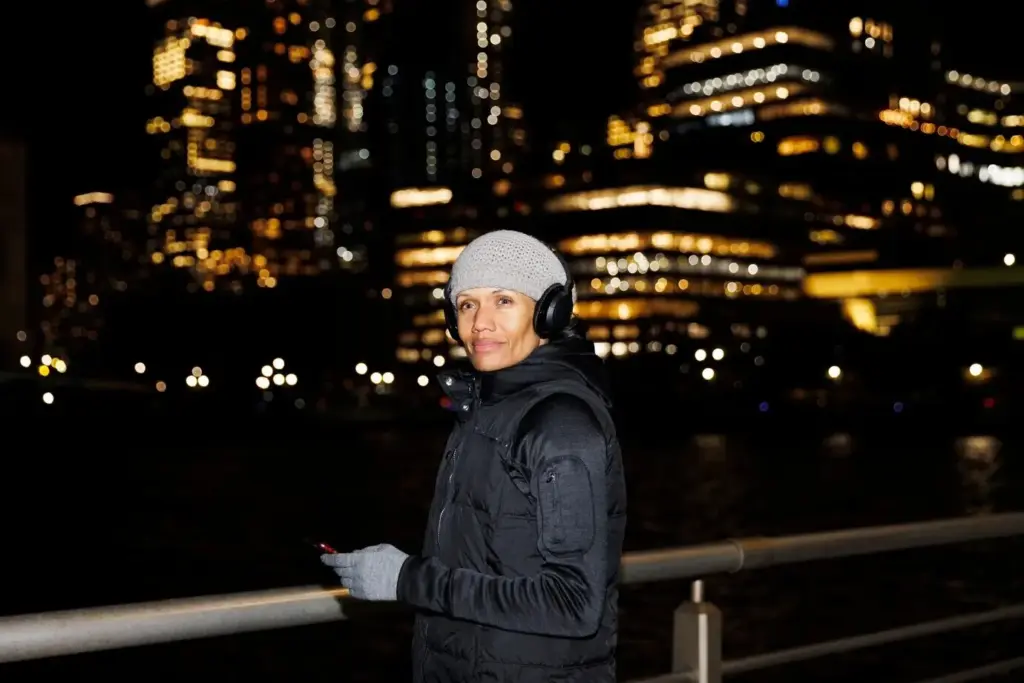
Stand just inside open shade and let light from the street wash across cheeks and eyes. Edge light can trace the profile and add depth without squinting. Use light-colored walls as natural reflectors. If sun is harsh, rotate a few steps to soften shadows. Small adjustments change mood dramatically, protecting skin tones and preserving delicate detail in expressions.

Candid Moments versus Gentle Direction

Candid frames reveal habits and rhythms: a barista steaming milk, a neighbor watering plants, a tailor threading a needle. When inviting a posed moment, offer light suggestions rather than commands: lean toward the window, relax the shoulders, breathe naturally. Blend both approaches, letting conversation guide timing. Authenticity thrives when people feel they’re co-authoring the photograph with you.

Respect, Consent, and Local Guidelines

{{SECTION_SUBTITLE}}

Dignity Before the Shot
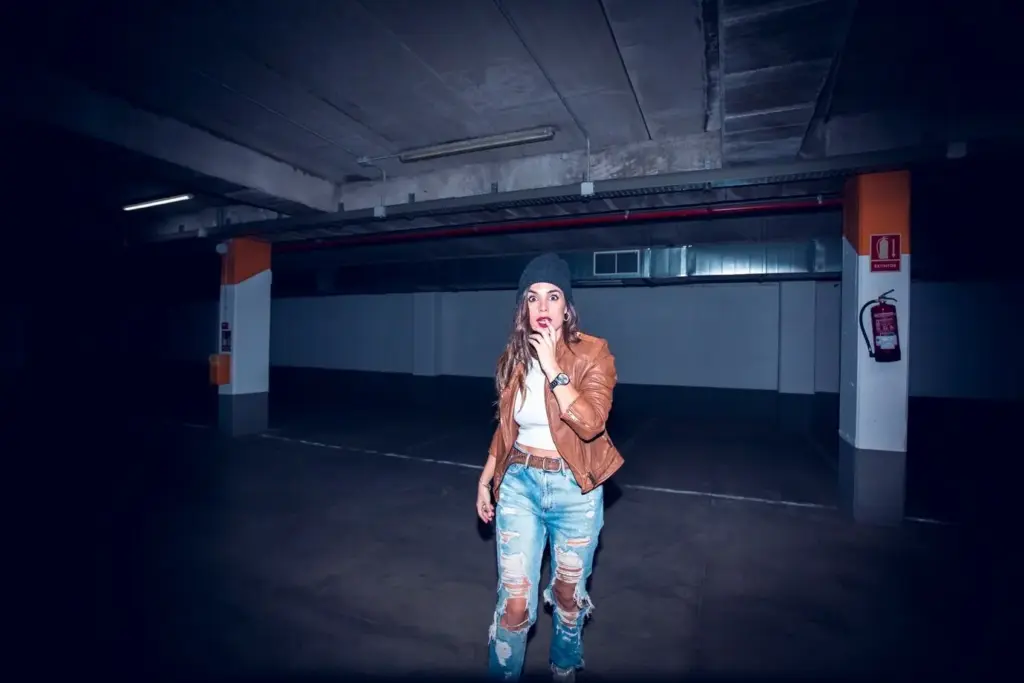
Center the person, not the photograph. Avoid stereotypes, exploitative angles, or captions that turn lives into props. Share the frame’s intention and ask how they wish to be described. Offer a quick playback on camera if that feels supportive. When people sense genuine care, they often bring forward cherished objects, gestures, or stories that deepen meaning far beyond aesthetics.

Simple Releases and Clear Sharing Plans
Carry easy-to-understand release forms for situations where broader distribution is possible, and explain them in everyday language. Offer to email images and include links to past work, so expectations feel grounded. Be specific about platforms and timelines. Transparency builds trust, clarifies boundaries, and prevents surprise. People appreciate knowing exactly where their portrait may travel and how they can participate.

Color and Tone with a Light Touch

Aim for consistent white balance across the series so viewers feel continuity from block to block. Subtle contrast and gentle color also protect complexion and keep backgrounds believable. Calibrate your monitor, compare prints in daylight, and test small tweaks before committing. A restrained hand communicates confidence and helps portraits feel like lived moments rather than manufactured scenes.

Retouching that Preserves Life Lines

Remove only temporary distractions—dust spots, sensor flecks, or a stray hair—while keeping laugh lines, freckles, and textures that tell history. Avoid over-brightening eyes or whitening teeth beyond reality. People have earned their contours. When character remains intact, viewers trust the photograph more deeply and the person depicted recognizes themselves, which invites participation, consent, and lasting collaboration in future walks.

Sequencing Images into a Walkable Narrative

Arrange portraits like steps along a route: opening with a welcoming scene, moving through layered conversations, and ending at dusk with reflective expressions. Alternate wide context frames with close emotional moments. Use recurring colors, signage, or gestures as visual threads. A carefully paced order turns single photographs into a shared journey, inviting viewers to linger, revisit, and remember specific names.

Sharing, Feedback, and Community Impact
Circulate the work where it began: storefront windows, a pop-up on the sidewalk, or a local café’s wall. Pair portraits with quotes approved by residents. Offer prints, invite corrections, and collect stories that extend beyond images. Encourage newsletter signups, comments, and route suggestions for the next walk. When neighbors participate, the project becomes a living conversation rather than a gallery alone.
Keep captions collaborative and concise, drawing words from the person’s own phrasing with permission. Avoid labeling identities; describe moments and mutual discoveries instead. Use first names when allowed and omit specifics when privacy is requested. Thoughtful captions turn portraits into dialogues, encouraging readers to write back with reflections, memories, and introductions that lead to new, meaningful encounters.
Mount prints at eye level on foam boards, ask shopkeepers for temporary window space, and include QR codes linking to full stories. Invite passersby to leave sticky-note messages or audio recordings. Keep the display welcoming after dark with small lights. Public presentations return portraits to their origins, encouraging neighbors to recognize friends, offer context, and suggest people we should meet.
End every walk by inviting participation: newsletter signups for future routes, open calls for stories, and volunteer translators for multilingual captions. Share a calendar of strolls and editing sessions. Encourage readers to comment with streets, markets, or community events. When feedback loops stay active, the project grows more accurate, generous, and resilient—powered by many voices instead of one.

Field Notes and Reflective Journals

After each walk, jot moments that mattered: names, details of a conversation, a storefront tune, the angle of late sun on brick. Noting what sparked trust guides future routes and greetings. Over weeks, patterns emerge—good corners, helpful phrases, and gentle rhythms—turning scattered impressions into a practical guide that respects people and illuminates the neighborhood’s evolving heart.

Community Check-ins and Listening Sessions

Host informal gatherings at the library or park, showing small selections and asking how people felt represented. Record suggestions about captions, translations, or access. Listen for stories missing from your lens and invite those perspectives. These sessions shift authorship outward, reinforcing that portraits are made with neighbors, not about them, and demonstrating accountability that builds durable, reciprocal relationships.
Komuzazeraxa
Privacy Overview

This website uses cookies so that we can provide you with the best user experience possible. Cookie information is stored in your browser and performs functions such as recognising you when you return to our website and helping our team to understand which sections of the website you find most interesting and useful.