Block by Block: A Camera Walk That Draws the Map

Join us as we map a city block through sequential street photography, moving steadily from corner to corner while letting each frame hand the story to the next. You will learn a repeatable method, discover unnoticed patterns, and build a visual map that feels walked, not merely seen.

Designing the Circuit

Before lifting the camera, sketch an intentional loop around one block and define how the sequence advances. A clear plan frees attention for observation. We’ll outline start, direction, spacing between frames, and simple cues that keep momentum without smothering discovery.

Gear That Stays Out of the Way

Choose tools that disappear in practice so attention stays on sidewalks, faces, and changing light. Familiar controls, reliable batteries, and consistent focal length reduce friction. We will balance portability and image quality while preserving the rhythm required by sequential working.

Morning versus midday: textures, flow, and patience

Early passes favor long shadows and patient commuters. Pedestrian pauses at crosswalks create repeatable moments that tie frames together. Midday compresses contrast, guiding attention toward signs, pavement markings, and reflected glints. Decide when textures serve clarity, and schedule another loop when they do not.

Weather as collaborator: rain, glare, and reflected clues

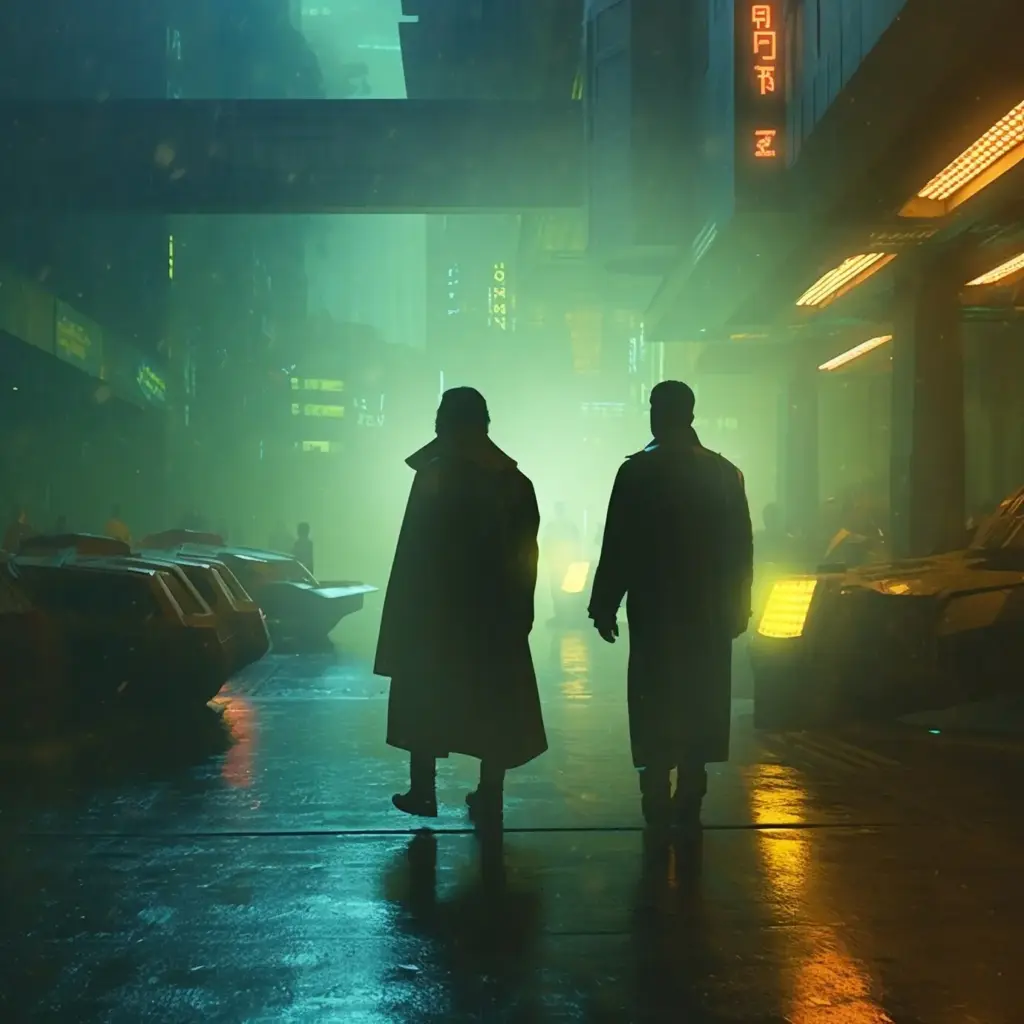
Rain converts asphalt into a mirror that doubles storefronts and traffic lights. Puddles mark low points, useful for mapping slope. Mist softens distance, while winter glare etches outlines. Let weather become a collaborator that reveals structure you might otherwise overlook.

People, Privacy, and Street Sense

Respect for people and place shapes every decision on the sidewalk. Know the norms of your city, stay transparent when approached, and read the mood of a corner before lingering. Safety and empathy are not obstacles; they are the working method.
Use body language that communicates calm intention. Give space, lower the camera if someone appears uncomfortable, and offer a brief explanation when asked. Many will appreciate the care. Your humanity becomes part of the street’s memory and strengthens the mapping.
Public sidewalks invite photography, but thresholds can be tricky. Doorways, private lots, and security posts carry different expectations. Watch for signage and be ready to move. When in doubt, step back and reframe from public vantage points that preserve context.
Walk with a partner if the area is unfamiliar, and share your route live. Keep valuables minimal and pockets organized. Notice escape routes and well-lit corners. Preparedness creates freedom to focus on the frame rather than the unknown behind you.

Editing the Sequence Into a Legible Map

After walking, transform photos into a navigable map that mirrors your footsteps. Organizational clarity reveals relationships you sensed on the street. Editing is not decoration; it is the translation layer that turns impressions into a sequence others can walk with eyes.

Sharing the Walk and Inviting Responses

Completion is only half the experience; sharing completes the circuit. Present the sequence in forms that simulate walking and invite conversation. Feedback reveals blind spots and sparks ideas for your next block, deepening both craft and neighborhood understanding together.
Komuzazeraxa
Privacy Overview

This website uses cookies so that we can provide you with the best user experience possible. Cookie information is stored in your browser and performs functions such as recognising you when you return to our website and helping our team to understand which sections of the website you find most interesting and useful.