Walk, Look Up: Discover the Secret Language of Local Architecture


Materials Tell Stories: Stone, Brick, Metal, Glass
Stone Tooling and Quarry Marks
Granite might show feather-and-wedge marks; limestone reveals drafted edges; sandstone displays crossbedding like frozen waves. Photograph raking light to make tooling stand out, and include a fingertip or coin for scale. Your gallery becomes a tactile atlas for future wanderings and conversations.
Wrought Iron and Cast Iron Signatures
Not all iron is equal. Wrought iron’s fibrous lines bend gracefully around scrolls, while cast iron favors repetitive, bolted modules. Paint builds history layer by layer; flaking exposes decades. Document fasteners, foundry marks, and repairs to trace networks of tradespeople, catalogs, and civic ordinances.

Light, Shadow, and Weather
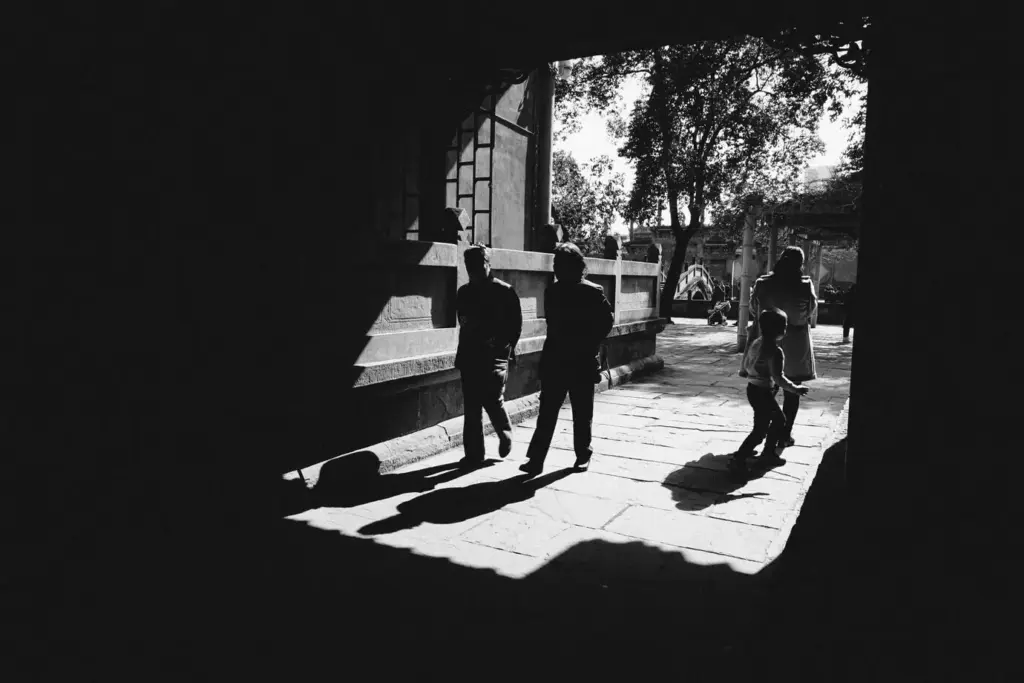
Side lighting reveals relief; overcast days flatten glare to emphasize material tone; drizzle enriches color and highlights hairline cracks. Keep a small cloth for raindrops. Revisit after storms, heatwaves, or frost cycles to capture ephemera that might vanish before tomorrow’s commute.
Angles and Distortion
Your perspective shapes evidence. Shooting upward exaggerates depth and hides misalignments; stepping back levels lines but loses texture. Try diagonal compositions to compare elements across floors. Correct distortion later, yet keep a few skewed frames that reveal how bodies actually experience streets.
Pocket Gear for Detail Hunters
A phone with a clean lens, clip-on macro, and polarizer can outperform bulky setups in tight sidewalks. Carry spare batteries, a slim notebook, and measuring tape. Lightweight ethics cards help introduce yourself if questioned, turning suspicion into conversation and collaborative discovery.
Time Layers: Dates, Repairs, and Regulations Hidden in Plain Sight

Ghost Signs and Palimpsests
Repairs, Retrofits, and Tells
Small Standards, Big Clues
Human Stories in Hardware

Thresholds and Wear Patterns

Mail Slots, Bells, and Buzzers

Railings and Balusters
Mapping Your Finds and Engaging the Neighborhood
Create a Micro-Guide
Choose a short loop, craft ten concise stops, and pair each with a distinct detail and practical tip. Offer walking times, accessibility notes, and best lighting hours. Share printable PDFs and mobile versions, inviting readers to annotate, remix, and translate for neighboring streets.
Host a Walk-and-Spot Meetup
Set a welcoming pace and clear etiquette: no trespassing, no intrusive photography, maximum kindness. Provide simple prompts for beginners and advanced challenges for veterans. End at a cafe to compare images, swap resources, and plan repeat visits during seasonal light or construction windows.
Invite Elders and Artisans to Comment
People who remember vanished factories or who have restored cornices can decode mysteries that photos only hint at. Build respectful interviews, credit contributors, and link oral histories to locations. Your collection becomes a living classroom where skills, memory, and architecture meet generously.